Promote health education
Support access to understandable and appropriate health information.
Empower · Programme overview
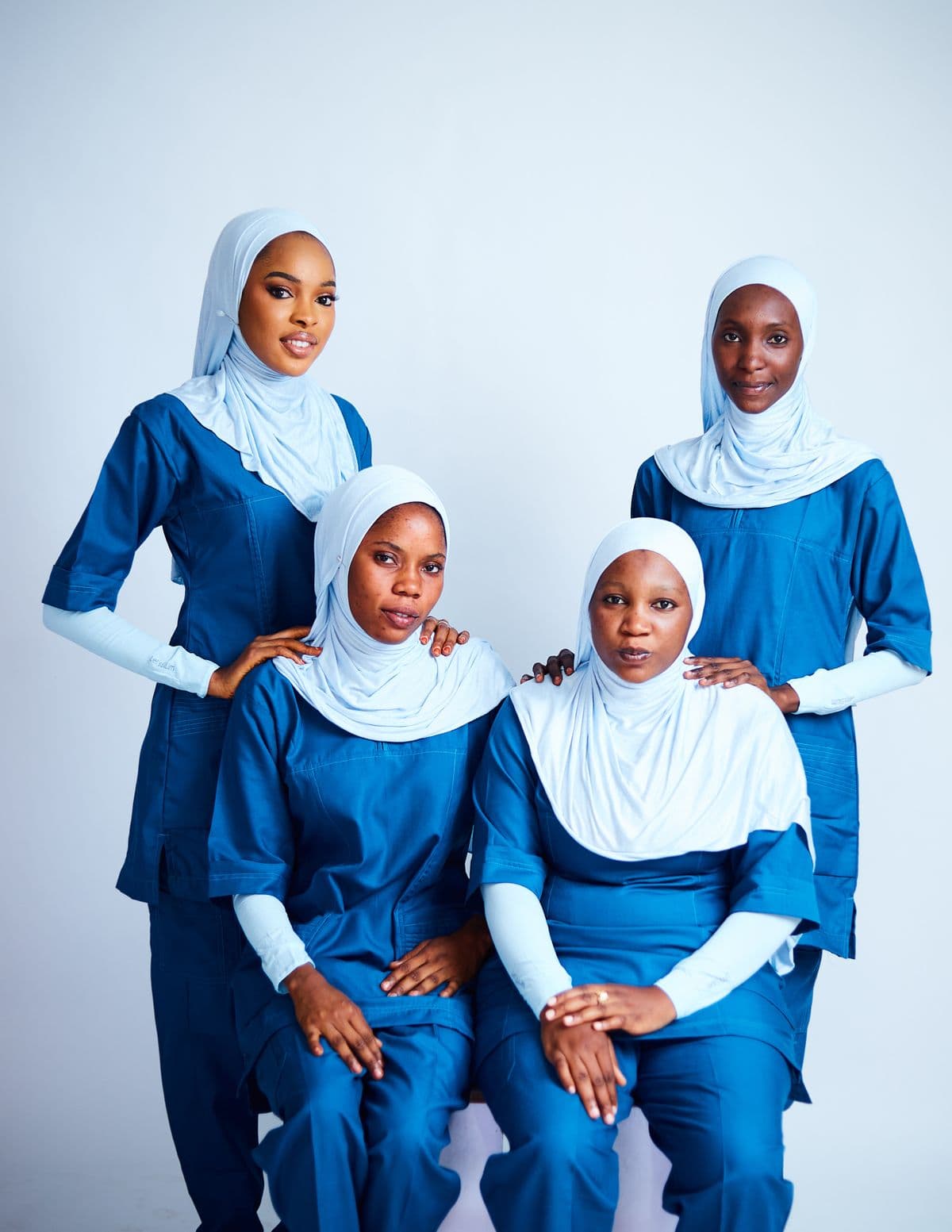
Health education that respects dignity and supports wellbeing.
Our mandate
Promote health, wellbeing and reproductive health education.
This is one of our established focus areas. Activity examples and the participant journey below are illustrative; eligibility, fees, dates and locations require separate confirmation. Intended outcomes are not reported results.
The context
Health, wellbeing and reproductive health education form a specific organizational objective. This focus area concerns health promotion and education within BEAT–Kenya's public benefit mission.
Clear and appropriate education can support understanding of health and wellbeing. Activities should be developed with relevant expertise and sensitivity to the needs of their intended participants.
Health, wellbeing and reproductive health education have a specific place in the organization's work. This is an educational and health-promotion mandate. It should be developed with relevant expertise, appropriate information and respect for the dignity and circumstances of intended participants.
Our intentions
Support access to understandable and appropriate health information.
Create room for learning and discussion about wellbeing in community contexts.
Include reproductive health education within the public benefit mandate.
Illustrative activities
These activities describe a possible delivery approach. The final offer would be shaped by community priorities, available expertise and programme capacity.
Initial conversations could help identify the topics participants want to understand and barriers to accessing information. They should avoid requesting unnecessary personal health details.
Sessions could share reviewed educational information through accessible formats. Topic selection, qualified contributors and delivery arrangements would be confirmed before publication.
Facilitated learning could consider wellbeing in everyday community life. The scope would need to be explained clearly so that participants understand what an activity offers.
Education would require appropriate subject expertise and an approach suited to the intended participants. Materials and activity arrangements would be reviewed before use.
Participation
Community members and intended participant groups for health, wellbeing and reproductive health education, including vulnerable and marginalized people.
These are intended participant groups, not eligibility rules. Confirmed opportunities will explain requirements, accessibility arrangements and any costs. Our 18+ membership requirement is separate from programme eligibility.
A proposed participant journey
Understand education needs without collecting unnecessary health information.
Agree suitable contributors, content and participant arrangements.
Provide clear information and room for questions within the agreed scope.
Invite feedback on clarity, relevance and remaining learning needs.
Outcomes & learning
More accessible health and wellbeing education, with informed understanding of reproductive health topics.
These are intended outcomes, not reported achievements. A future monitoring approach would consider the relevance and quality of activities as well as feedback from intended participants. Any published results should have evidence, dates and context.
No programme results are being claimed here. Verified updates and participant stories will be added when available.
People & participation

Get involved
Prepare an enquiry with the programme name, your interests, your location and any questions about taking part. You do not need to include sensitive personal information.
Potential partners could contribute qualified health educators, reviewed materials and suitable learning spaces. Clinical care, diagnosis or treatment must not be implied by an education activity.
Ask about health & wellbeingOfficial contact channels are pending confirmation. The contact page currently lets you download an unsent enquiry draft.
Questions & answers
No clinic, diagnosis or treatment service is confirmed here. This focus area covers health, wellbeing and reproductive health education.
Intended participant groups and eligibility will be stated for each confirmed activity. The membership age requirement is separate from programme eligibility.
No schedule is published on this page. Confirmed topics, contributors and arrangements will be added when available.
Connected commitments
Empower
Education, vocational training and digital literacy are explicit objectives of BEAT–Kenya. This focus area brings learning and skills development into the organization's public benefit mission.
Explore this area : Education, training & digital literacyTransform
BEAT–Kenya's economic empowerment objective includes entrepreneurship, cooperatives and financial literacy. It connects transformed livelihoods with the pursuit of resilient, self-sustaining communities.
Explore this area : Economic empowerment & livelihoodsAdvocate
BEAT–Kenya is committed to human rights, gender equality, youth inclusion and social justice. This area gives those priorities a clear place in the organization's public benefit work.
Explore this area : Human rights, gender & youth inclusionBuild
Environmental conservation and climate action are part of BEAT–Kenya's mandate. Its values also call for responsible resource use, environmental stewardship and sustainability beyond individual projects.
Explore this area : Environment & climate actionBuild
Community governance, leadership and civic participation are explicit organizational objectives. This area connects resilient communities with inclusive decision-making and responsible leadership.
Explore this area : Community governance & leadershipEmpower
Supporting vulnerable and marginalized groups is both a specific objective and central to the organization's public benefit commitment. It also informs who the other programme areas should seek to reach.
Explore this area : Vulnerable & marginalized groups